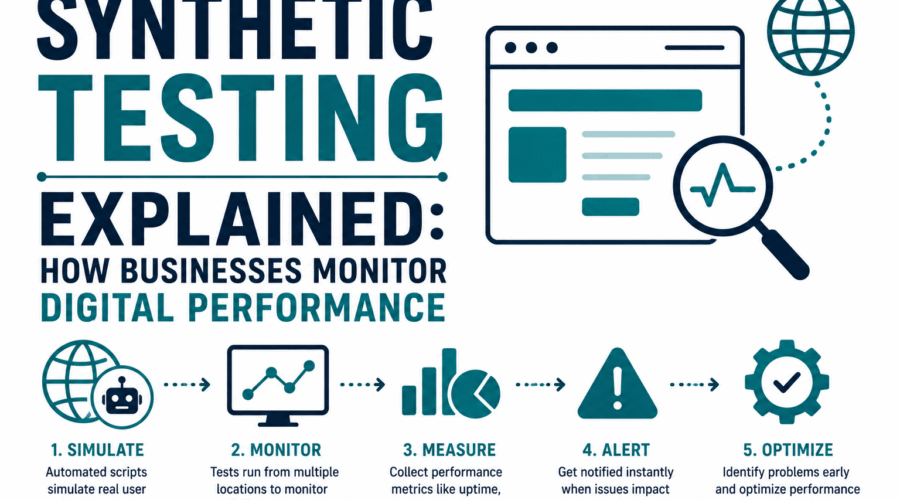
What Is Synthetic Testing? A Definitive Guide to Proactive Performance Monitoring
Synthetic testing is a monitoring approach that uses scripted, automated interactions with an application to verify it is behaving correctly, before real users discover problems. Instead of waiting for user complaints or error reports, synthetic testing runs simulated transactions on a schedule and alerts you when they fail or degrade.
Read More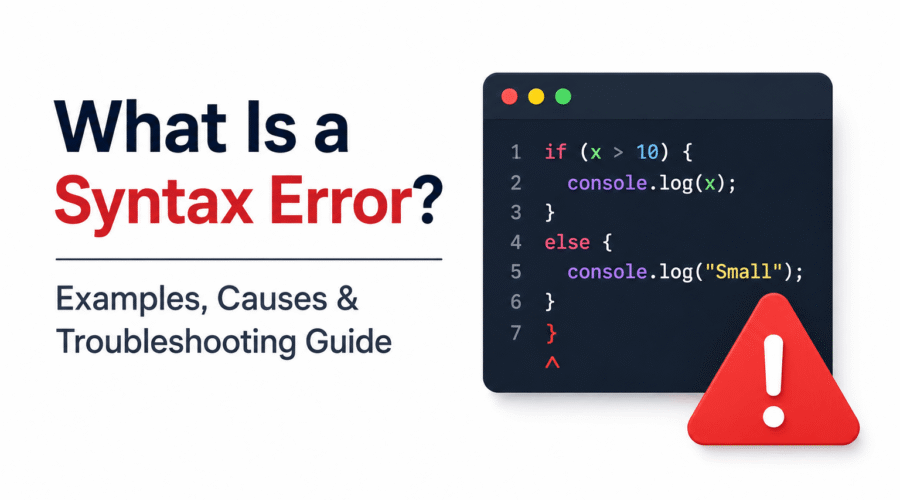
Syntax Errors: Definition, Examples, and How to Fix Them Efficiently
A syntax error occurs when source code violates the grammatical rules of a programming language. The compiler or interpreter cannot parse the code and rejects it before execution begins. Unlike runtime errors or logic errors, syntax errors are detected immediately: the program will not run at all until every syntax
Read More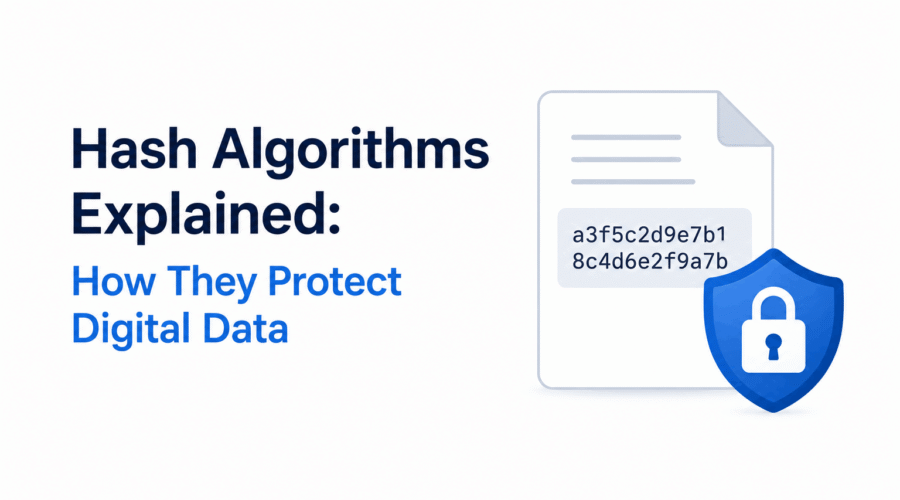
What is a Hash Algorithm?
A hash algorithm is a mathematical function that takes any input (a file, a message, a password) and produces a fixed-length output called a hash value, digest, or checksum. No matter how large the input, the output is always the same size: SHA-256 always produces 256 bits (32 bytes), expressed
Read More
Create a Self-Signed Code Signing Certificate: Step-by-Step Guide
A self-signed code signing certificate lets you sign code on your own development machine or internal network without purchasing a certificate from a Certificate Authority. It is appropriate for local testing, MSIX package development, PowerShell script signing in controlled environments, and internal enterprise distribution where you manage the trust stores.
Read More
What is Software Vulnerability? Understanding Cyber Security Risks
A software vulnerability is a flaw or weakness in software that can be exploited by an attacker to cause the software to behave in unintended ways, often allowing the attacker to access data, execute unauthorized code, or disrupt the software's operation. Vulnerabilities are properties of the software itself, present from
Read More
Why Developers Should Understand Code Signing Before Shipping Software
Updated May 2026 | Category: Code Signing / Developer Education / Supply Chain Security / Software Distribution | Reading time: 10 min Code signing is often described as something Windows desktop application developers need to worry about. That framing is increasingly outdated. If you write software that other people
Read More
3 Reasons Why You Should Use Code Signing for Your Software
Updated June 2026 | Category: Code Signing / Why Sign / Publisher Trust / Enterprise Distribution / Software Security | Reading time: 9 min Most developers know that signing their software is something they should do. Fewer understand exactly why it matters enough to justify the cost and operational
Read More
The Differences Between EV and OV Code Signing Certificates
Updated May 2026 | Category: EV Code Signing / OV Code Signing / Certificate Comparison / Buyer Guide | Reading time: 11 min OV (Organization Validated) and EV (Extended Validation) code signing certificates are both issued to verified organizations, both require hardware key storage, and since August 2024 both
Read More
Code Signing Certificates vs TLS/SSL Certificates: What’s the Difference?
Code signing certificates and TLS/SSL certificates are both X.509 certificates issued by Certificate Authorities using the same public key infrastructure. They share the same format, the same underlying cryptography, and often the same issuing CAs. Despite this common foundation, they serve fundamentally different purposes and have meaningfully different technical configurations,
Read More
Windows Defender Security Warning: What Is an “Unknown Publisher” Warning?
Updated May 2026 | Category: Windows Security / Unknown Publisher / UAC / SmartScreen / User Guide | Reading time: 9 min When you try to run a program on Windows, you may see a security warning telling you the publisher is unknown, unrecognized, or could not be verified.
Read More