Can Solo Developers Get OV Code Signing Without a Business?
The short answer is no for OV specifically, but yes for what you actually need. OV stands for Organization Validation, and the CA/B Forum's definition of OV requires a verified legal organizational entity : a company, LLC, sole trader registration, or equivalent. A freelancer who operates under their personal name
Read more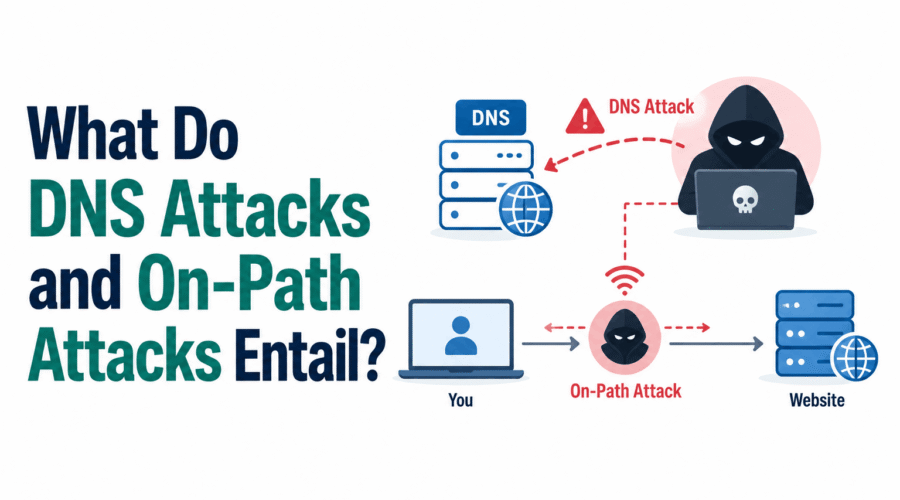
What Do DNS Attacks and On-Path Attacks Entail?
DNS attacks and on-path attacks are among the most significant threats to software distribution integrity. Both involve an attacker inserting themselves between a user and a legitimate resource, either by manipulating how domain names resolve or by intercepting network traffic directly. Understanding how these attacks work explains why code signing
Read more
Code Signing Certificate Validity Cut to 460 Days in 2026: What Every Developer Must Do Now
On October 14, 2025, the CA/Browser Forum passed Ballot CSC-31, reducing the maximum validity period for publicly trusted code signing certificates from 39 months (approximately three years) to 460 days (approximately 15 months). The change took effect March 1, 2026. CAs began enforcing it in late February: DigiCert started on
Read more
How to Check if a File Is Safe Before Downloading
Checking a file for viruses before you run it is straightforward with the right tools. The most reliable approach layers a few quick checks: scan the download URL before fetching the file, use VirusTotal or Windows Defender to scan the file itself, and verify the publisher's digital signature. No single
Read more
How to Sign a PowerShell Script So It Runs Under AllSigned Execution Policy
PowerShell's AllSigned execution policy requires every script that runs on the machine to carry a valid digital signature from a trusted publisher. Getting a script to run under AllSigned involves two distinct requirements that must both be met: the signature must be cryptographically valid, and the signing certificate must be
Read more
How to Set Up Code Signing Without an IT Team
You built software. You want to sign it so users don't get the 'Unknown Publisher' warning when they install it. You don't have a security team, an IT department, or someone whose job it is to manage certificates. You just need this to work with the least ongoing overhead. This
Read more
Code Signing Certificate for a One-Time Software Release: Is an Annual Subscription Worth It?
Software distribution without a code signing certificate has become progressively more costly as Windows security mechanisms have tightened. Microsoft's SmartScreen reputation system, which protects an estimated 1 billion Windows devices, assigns warning thresholds to executables based on download history and publisher identity. Unsigned software, regardless of quality or legitimacy, consistently
Read more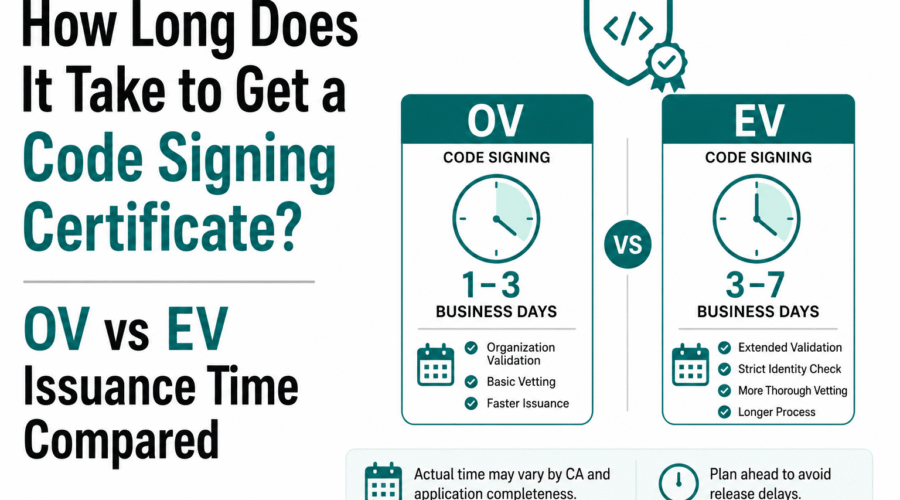
How Long Does It Take to Get a Code Signing Certificate? OV vs EV Issuance Time Compared
Getting a code signing certificate is not instantaneous the way downloading a software license is. The core of the process is identity verification by the Certificate Authority, and identity verification takes time because it involves checking your organization against independent databases and confirming that someone at your organization authorized the
Read more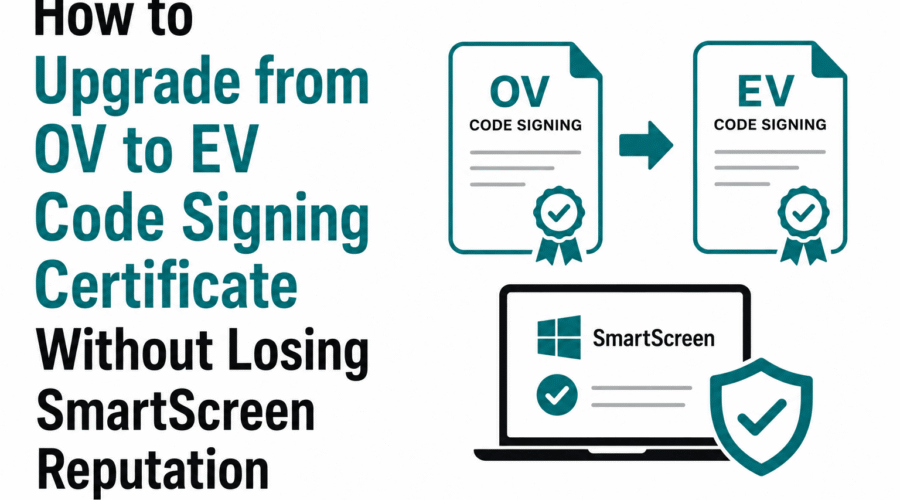
How to Upgrade from OV to EV Code Signing Certificate Without Losing SmartScreen Reputation
In May 2026, a software publisher posted to Microsoft Q&A describing exactly this situation. Same organization. Same publisher name. Same Certificate Authority. A routine EV certificate renewal, nothing changed except the certificate thumbprint. SmartScreen treated the company as an unknown publisher, resetting years of established reputation overnight. Enterprise customers who
Read more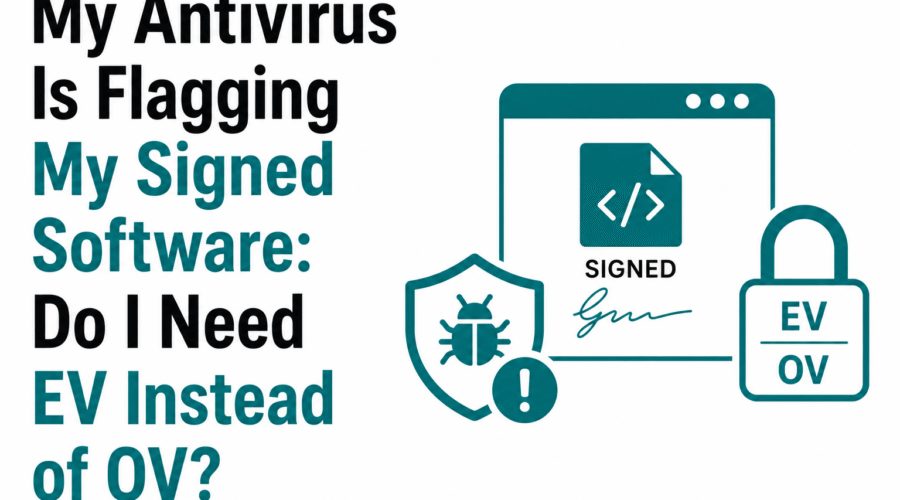
My Antivirus Is Flagging My Signed Software: Do I Need EV Instead of OV?
The direct answer: upgrading from OV to EV will not fix antivirus false positive detections on your signed software. For the specific problem of AV engines flagging legitimate software as suspicious, EV provides no meaningful advantage over OV in 2026. The AV detection mechanisms that flag signed software operate independently
Read more